
Make Your Old Mac Run Like New With An SSD
Submitted by admin on Mon, 11/18/2019 - 11:56am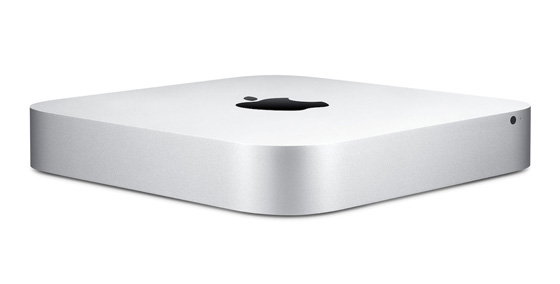 Like most of you out there, I have a handful of old computers sitting around, getting more and more out of date by the day. The worst of my collection, though, was my Mac mini from 2011. I originally bought it for iOS development, and it ran fine at the time.
But, Apple forces you to keep upgrading to the latest version of both the OS and XCode, and before long, the Mac mini was running horribly slow.
 If you've used Xcode for iOS or Mac development, you know how handy the #pragma line can be. It makes it super-simple to group related functions or methods together in your outline. Well, for those wondering how to do something similar in Eclipse-- this blog post is here to help! It's a little hacky though.
 As developers, sometimes it's necessary to create self-signed certificates on our servers, but it sure is annoying every time you visit the page and you have to click through Chrome's privacy warning screen.
  As a developer, you often need to create a secure environment on a real server (not just localhost) while you test things out, prepare for demonstrations, etc. This blog post will go over how to create not just a self-signed certificate (which is free), but how to also configure it as a "SAN" or Subject Alternative Names certificate.
  If you're used to using MySQL with PHP, you already know of the simple and easy to use functions like mysqli_query(), mysqli_fetch_object(), mysqli_affected_rows() and so forth. But, if you've ever gone to query from an Oracle database, you've no doubt noticed that Oracle's oci_* functions are much less pleasant.
 Since computers first entered the workforce, business applications (that is to say, all applications which weren't games) have been boring and to-the-point.
  If you are anything like me, there always seems to be an unused computer or laptop sitting around, maybe in a closet or under the bed. Why not put it to some other use in your house?
  If you regularly maintain a blog or web site, you know that having organic shares of your content on Facebook is vital to your success. But how can you be sure your post will appear the way you want it when someone shares the URL on Facebook for the first time?
 Between around 2009 and 2019, it seemed like every business, every web site, every university, etc, had a mobile app on both the Android and iOS app stores. If you didn't have a mobile app, you weren't cool, plain and simple. You were behind the times.